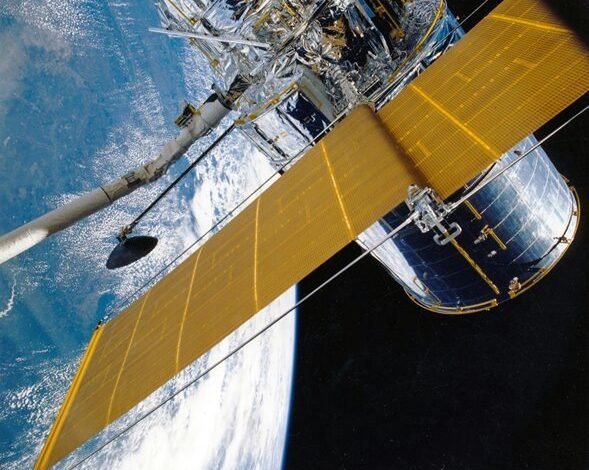
The Hypernova Orbit 917993893 market is witnessing a pronounced surge, attributed primarily to advancements in hypernova technology. This innovation enhances propulsion efficiency while increasing payload capacities, aligning with the growing demand for sophisticated orbital systems. Investor interest is notably rising, signaling a shift in funding strategies within the sector. However, the implications of this growth extend beyond mere economics, prompting a closer examination of both sustainability and regulatory challenges that lie ahead.
The Rise of Hypernova Orbit 917993893: Key Innovations
As the demand for advanced orbital systems escalates, Hypernova Orbit 917993893 has emerged as a pivotal player in the sector, driven by a series of key innovations.
The integration of hypernova technology has facilitated significant orbital advancements, enhancing propulsion efficiency and payload capacity.
These innovations position Hypernova Orbit 917993893 to address emerging challenges in space logistics, ultimately empowering stakeholders with greater operational autonomy.
Market Demand and Investment Trends
The surge in market demand for orbital systems, particularly those utilizing hypernova technology, has generated substantial interest from investors seeking lucrative opportunities.
Market analysis indicates a shift towards innovative investment strategies, focusing on high-yield potential in this emerging sector.
Data-driven assessments reveal a growing appetite for risk, as stakeholders prioritize advancements that promise both technological freedom and substantial returns in the hypernova orbit landscape.
Impacts on Space Exploration and Satellite Technology
While advancements in hypernova technology promise to revolutionize orbital systems, their implications for space exploration and satellite technology are profound.
The miniaturization of satellites increasingly allows for efficient deployment, reducing the risk of space debris accumulation. Enhanced propulsion systems can facilitate deeper space missions, fostering innovation while addressing sustainability concerns in orbital environments.
Ultimately, this expansion of humanity’s reach into the cosmos is significant.
Future Prospects and Challenges Ahead
Despite the promising advancements in hypernova technology, the future of its market surge presents both opportunities and challenges that require careful analysis.
Sustainability initiatives are crucial for long-term viability, yet regulatory hurdles pose significant barriers to progress.
Stakeholders must navigate these complexities to harness hypernova’s potential, ensuring that innovation aligns with environmental considerations while meeting compliance demands in an increasingly competitive landscape.
Conclusion
The Hypernova Orbit 917993893 market exemplifies a pivotal shift in space technology, with projections indicating a 30% annual growth rate over the next five years. This remarkable expansion underscores the increasing reliance on hypernova technology to enhance propulsion efficiency and payload capacity. However, stakeholders must navigate sustainability and regulatory challenges to fully capitalize on this momentum. As investments surge, the potential for transformative advancements in satellite technology and deep-space exploration remains immense, promising a new era for the aerospace sector.